
Imagine arriving at your shop in the morning and discovering that someone broke in overnight. Valuable stock is missing, doors are damaged and you have no clear record of when the incident happened.
For homeowners, business owners and property managers in Kenya, security threats such as burglary, unauthorized entry and property damage are real concerns.
Locks, gates and security guards play an important role, but what happens when an intruder attempts to access your property when nobody is watching?
An electronic alarm system can provide an additional layer of protection by detecting certain security events and triggering alerts to notify occupants or designated responders.
At GD Merchants Limited, we provide electronic security solutions to help homes, businesses and institutions improve property protection through modern alarm and security technologies.
In this guide, we explain how alarm systems work, the different types available and what to consider before choosing an alarm system in Kenya.
An electronic alarm system is a security solution designed to detect specific events, such as unauthorized entry or movement in protected areas.
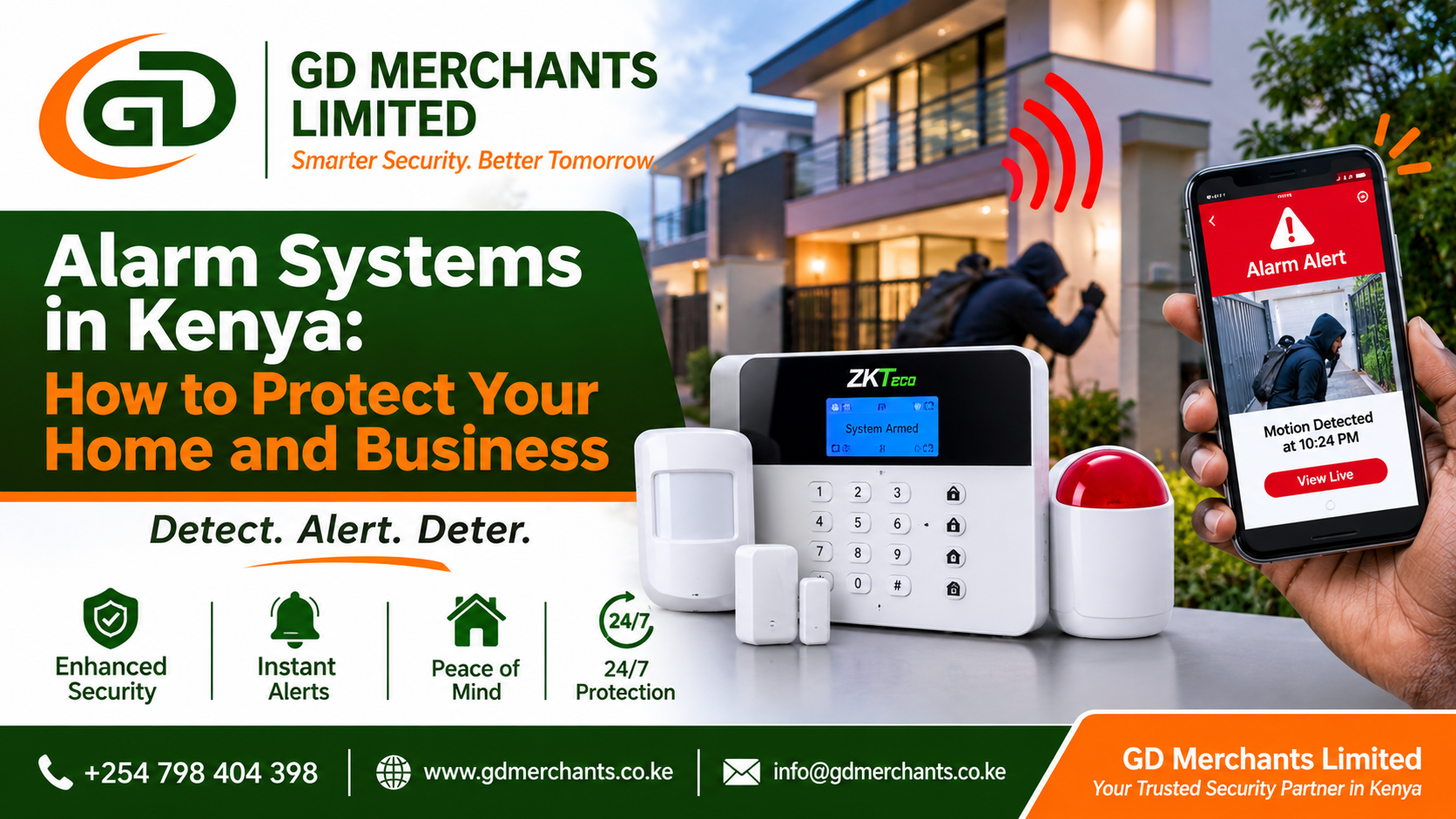
When a sensor detects an event that meets the system's configured conditions, it communicates with the alarm control panel. The panel can then activate an audible siren, send a notification or trigger other configured responses.
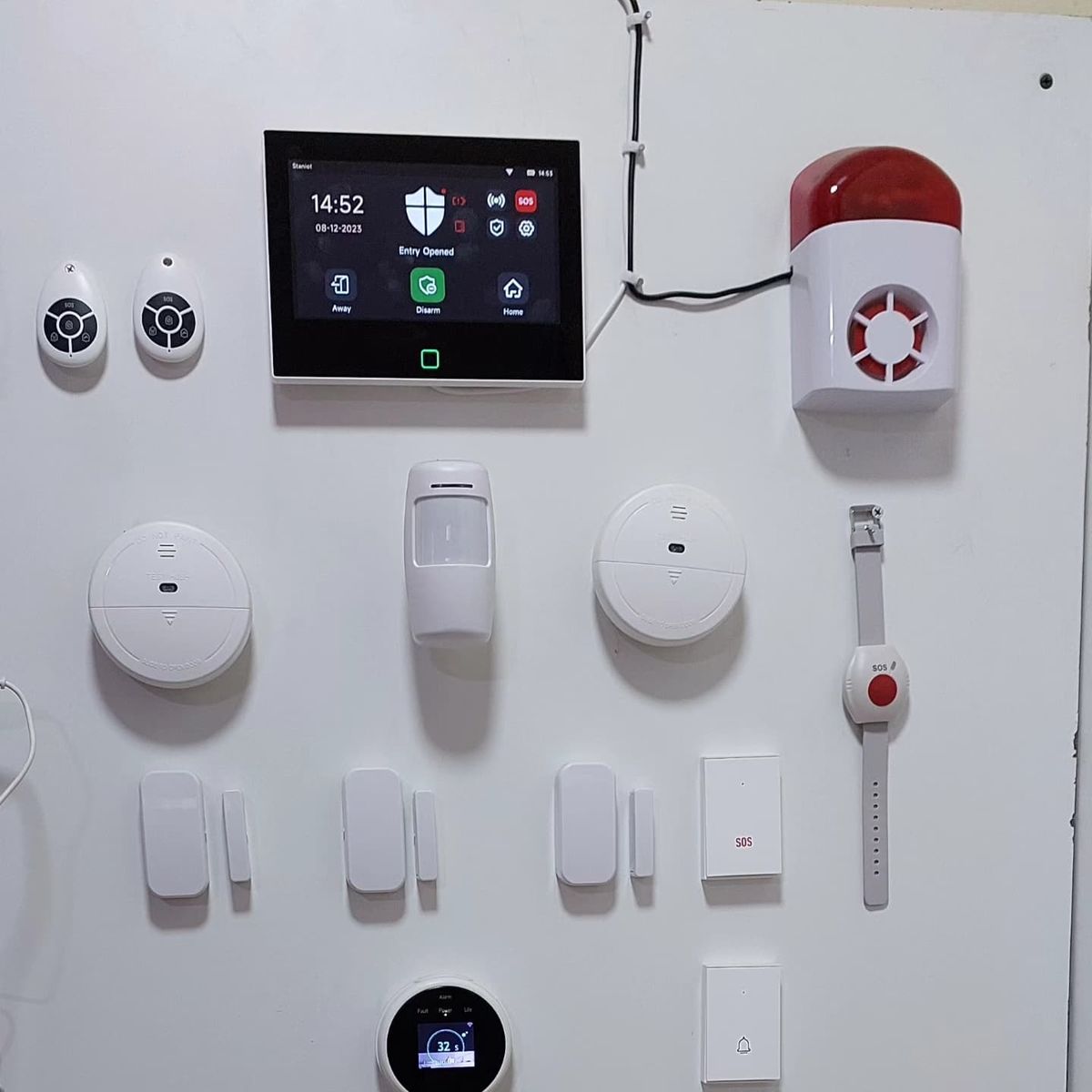
A typical alarm system may include:
Alarm control panel: The central unit that receives and processes signals from connected devices.
Motion detectors: Detect movement within protected areas.
Door and window contacts: Detect when a protected door or window is opened.
Glass-break detectors: Detect certain glass-breaking events.
Security sirens: Produce audible alerts when an alarm is triggered.
Keypads and remote controls: Allow authorized users to arm and disarm the system.
Communication modules: Support notifications or communication with monitoring services where configured.
The exact features depend on the alarm system and the devices connected to it.
Many property owners only think about improving security after experiencing a burglary or attempted break-in.
However, taking preventive measures can help reduce security gaps before an incident occurs.
Here are some common problems an alarm system can help address.
An intruder may attempt to enter through a door, window or another vulnerable access point.
Door contacts and motion detectors can help identify certain unauthorized entry events and trigger an alarm response.
This is particularly useful for homes, offices, retail shops, warehouses and commercial premises.
Many businesses close in the evening, leaving their premises unattended until the following morning.
An alarm system can remain armed during these periods and respond to configured sensor events.
Depending on the system, alerts may be sent to authorized users or a monitoring service.
Without an alert mechanism, an intrusion may go unnoticed until someone discovers the damage.
An alarm system can provide an immediate audible warning and, where supported, send notifications to designated contacts.
This can help responsible individuals respond sooner.
Some areas require additional protection, including storerooms, offices, server rooms, records rooms and residential entrances.
Installing suitable sensors in these locations can help detect unauthorized access attempts.
Different properties have different security requirements. The right alarm system depends on the building layout, number of protected areas, connectivity and preferred alert methods.
Wired alarm systems connect sensors to the alarm control panel using physical cables.
They can be suitable for new buildings or premises where cabling can be installed conveniently.
Potential advantages include:
Reliable wired communication when properly installed.
Suitable for permanent security installations.
Centralized connection to the alarm panel.
No individual wireless battery required for wired sensors.
However, installation may require additional cabling and labour, particularly in finished buildings.
Wireless alarm systems communicate using supported radio-frequency technologies rather than requiring a signal cable between every sensor and the control panel.
They can be useful where installing new cables would be difficult or disruptive.
Depending on the system, benefits may include:
Flexible sensor placement.
Reduced need for signal cabling.
Convenient installation in existing buildings.
Expansion with compatible wireless devices.
Wireless systems still require appropriate power arrangements, battery maintenance and suitable communication coverage.
Hybrid alarm systems support a combination of compatible wired and wireless devices.
They can be useful for properties that already have some security infrastructure but need additional sensors or protection in other areas.
The available configuration depends on the selected control panel.
Understanding the different components helps you choose an alarm system that meets your security requirements.
Motion detectors identify movement within a protected area using supported detection technology.
They are commonly installed in corridors, offices, reception areas, warehouses and rooms with valuable equipment.
The correct placement is important to reduce blind spots and unwanted alarms.
These sensors detect when a protected door or window is opened.
They are useful for entrances, rear doors, office windows, storerooms and other vulnerable access points.
Glass-break detectors are designed to identify certain sounds or patterns associated with breaking glass.
They can provide an additional layer of protection for premises with vulnerable glass doors or windows.
An alarm siren produces an audible warning when the system is triggered.
It can alert occupants and people nearby, depending on the siren's location and volume.
The alarm panel manages communication with connected sensors and controls the configured alarm responses.
Before purchasing, check the number of supported zones, device compatibility and available communication options.
Yes, some modern alarm systems support mobile notifications through compatible applications or communication modules.
Depending on the equipment and configuration, you may receive alerts when:
A protected door or window is opened.
A motion detector is triggered.
The alarm system is armed or disarmed.
A configured system fault or other event occurs.
Remote notifications depend on the system's connectivity, supported features and correct configuration.
It is important to remember that receiving a notification does not automatically mean that emergency services or security personnel have been contacted.
If you require professional monitoring, confirm that the alarm system supports the monitoring service you intend to use.
Yes, compatible alarm systems can be integrated with other security technologies.
This allows different systems to work together as part of a coordinated security setup.
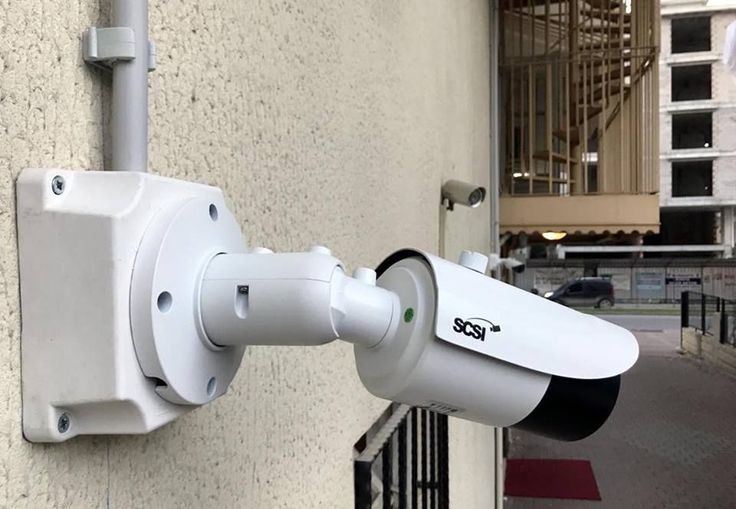
When an alarm is triggered, a compatible CCTV system may help security personnel review camera footage around the affected area.
Depending on the equipment, integration may also support event-based recording or camera display actions.
Some alarm systems can activate compatible public address equipment through configured relay outputs or interface modules.
For example, an emergency alarm may trigger a pre-recorded announcement through a PA system.
This requires proper compatibility, programming and installation.
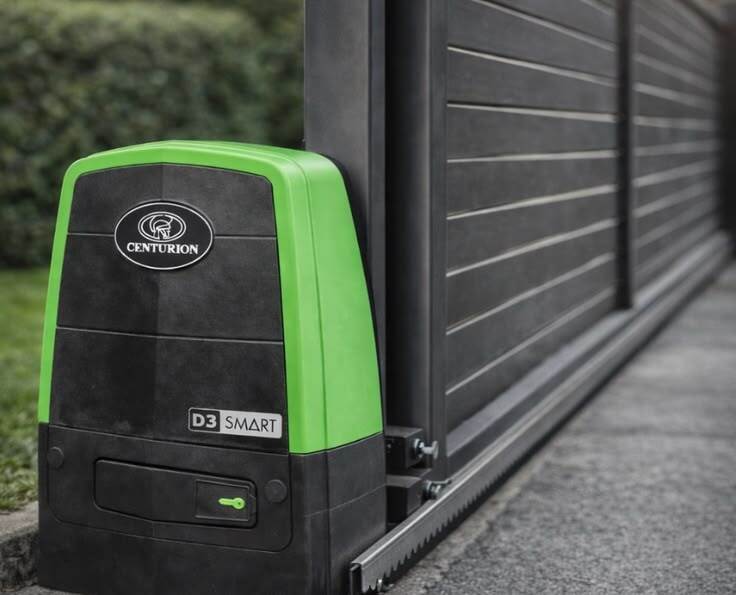
Some installations allow alarm events and access control equipment to share selected signals.
This can help coordinate security responses around restricted doors and entry points.
Always confirm compatibility between the alarm panel, interface modules and connected equipment before installation.
Alarm systems can support security in different types of properties.
Residential homes: Protect selected doors, windows and interior spaces against unauthorized entry.
Retail shops and supermarkets: Monitor entrances, stockrooms, offices and other important areas after business hours.
Corporate offices: Protect restricted departments, records rooms and sensitive equipment areas.
Warehouses: Monitor loading areas, storage sections and access points.
Schools and institutions: Provide additional protection for administration offices, laboratories and selected facilities.
Hotels and commercial buildings: Support security arrangements in offices, service areas and other restricted locations.
The alarm design should reflect the building's layout and actual security requirements.
Before investing in an alarm system in Kenya, consider the following factors:
Size of the property: How many rooms, doors and access points need protection?
Number of sensors: How many motion detectors, door contacts and other devices are required?
Wired or wireless: Which installation method suits your building?
Communication options: Does the system support the notifications or monitoring services you require?
Power backup: What happens if the main electricity supply fails?
Integration: Do you want to connect the alarm with CCTV, access control or a PA system?
Maintenance: Are replacement batteries, testing and technical support available?
False alarm prevention: Can sensors be positioned and configured correctly for the environment?
A professional assessment can help you select compatible equipment and avoid unnecessary installation costs.
Buying an alarm system is not enough. Poor planning and installation can affect its effectiveness.
Avoid these common mistakes:
Installing too few sensors and leaving vulnerable areas unprotected.
Choosing incompatible sensors and alarm control panels.
Ignoring battery backup and power requirements.
Failing to test the alarm after installation.
Positioning motion detectors incorrectly.
Forgetting to update authorized users and contact details.
Failing to maintain and periodically test the system.
Assuming an alarm automatically contacts emergency services without confirming monitoring arrangements.
Proper installation, configuration and maintenance are essential for dependable operation.
Choosing the right security equipment requires more than comparing product prices. You need a solution that matches your property, security concerns and operational needs.
GD Merchants Limited is a Kenyan security and technology solutions company providing electronic security products and installation services for homes, businesses and institutions.
Our security solutions include:
Automatic alarm systems.
Intrusion detection sensors.
Alarm control panels.
Motion detectors.
Door and window contacts.
CCTV surveillance systems.
Biometric access control.
RFID access control.
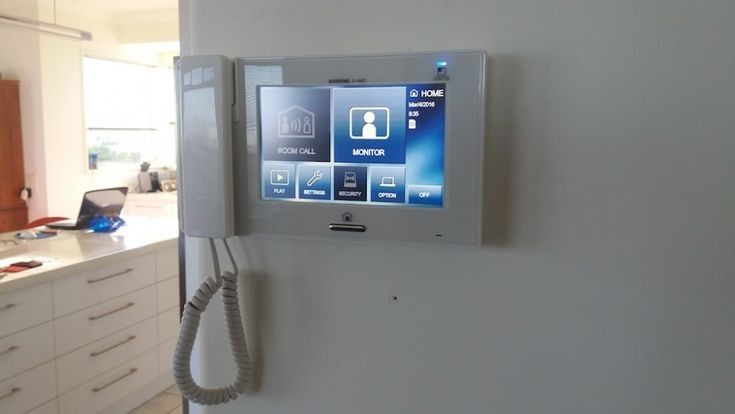
Video intercom systems.
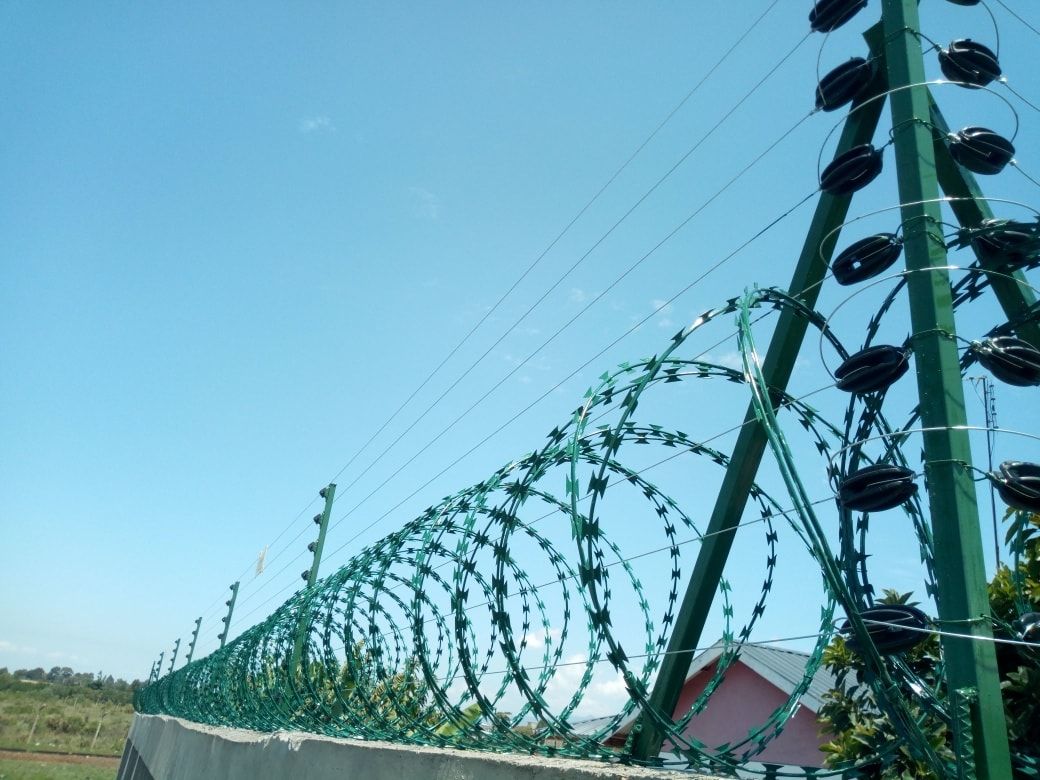
Electric fencing and perimeter security.
Whether you need an alarm system for your home, shop, office, warehouse or commercial property, GD Merchants Limited can help you explore suitable security products and installation options.
You should not have to wait until a burglary or unauthorized entry occurs before improving your security.
A properly selected and installed alarm system can help detect certain security events, activate warnings and notify designated contacts where supported.
If you are looking for alarm systems in Kenya, GD Merchants Limited is ready to help you identify a suitable solution for your property.
Contact us today for product enquiries, supply, installation and technical support in Nairobi and across Kenya.
GD Merchants Limited
Call/WhatsApp: +254 798 404 398
Website: https://gdmerchants.co.ke/
Email: info@gdmerchants.co.ke
Location: Nairobi, Kenya
GD Merchants Limited | Smarter Security. Better Tomorrow.













 November 17, 2026 - BY Tman Churchill