
Are you planning to install CCTV cameras at your home, office, shop or business premises but unsure how much it will cost?
You are not alone. Many property owners and business managers in Kenya want reliable security cameras but struggle to understand what determines the total installation cost.
Some customers only consider the price of the cameras, forgetting that a complete CCTV system may also require recording equipment, storage, cables, power supplies, installation and configuration.
Choosing the cheapest CCTV package without understanding what is included can result in poor image quality, limited coverage or unexpected additional costs.
At GD Merchants Limited, we help customers explore suitable CCTV surveillance solutions based on their properties, security needs and budgets.
In this guide, we explain the factors that influence CCTV installation costs in Kenya and what you should consider before purchasing a security camera system.
There is no single CCTV installation price that applies to every property. The cost depends on the size of the premises, the equipment selected and the complexity of the installation.
Here are the main factors to consider.
The number of cameras is one of the biggest factors affecting the overall cost.
A small shop may require only a few cameras to monitor entrances, checkout areas and storage rooms.
A large warehouse, school, supermarket or commercial building may require more cameras to cover different sections of the property.
Before buying a CCTV system, identify the important areas that need monitoring. This helps avoid purchasing unnecessary cameras while ensuring that critical areas are not left uncovered.
Different CCTV cameras have different capabilities and prices.
Common options include:
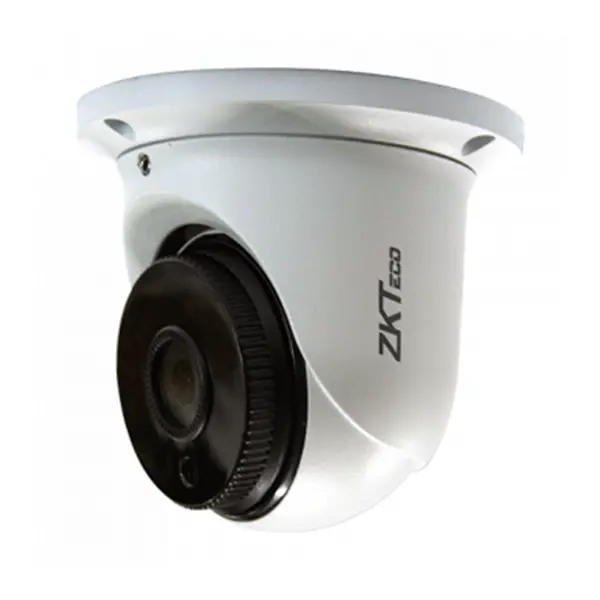
Dome cameras: Often used in offices, shops, reception areas and indoor spaces.
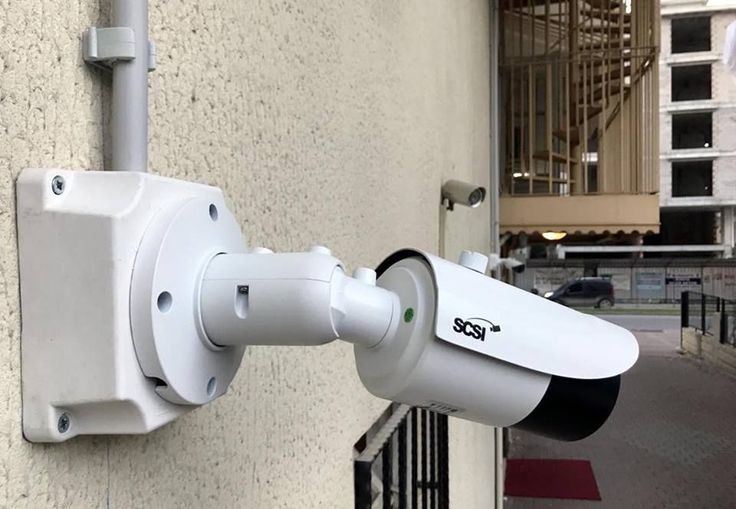
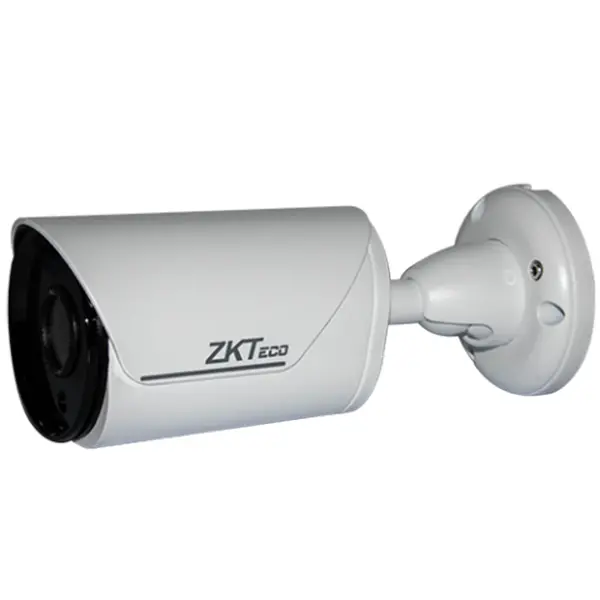
Bullet cameras: Commonly installed outdoors and along building boundaries.
Turret cameras: Flexible options for indoor and outdoor surveillance.
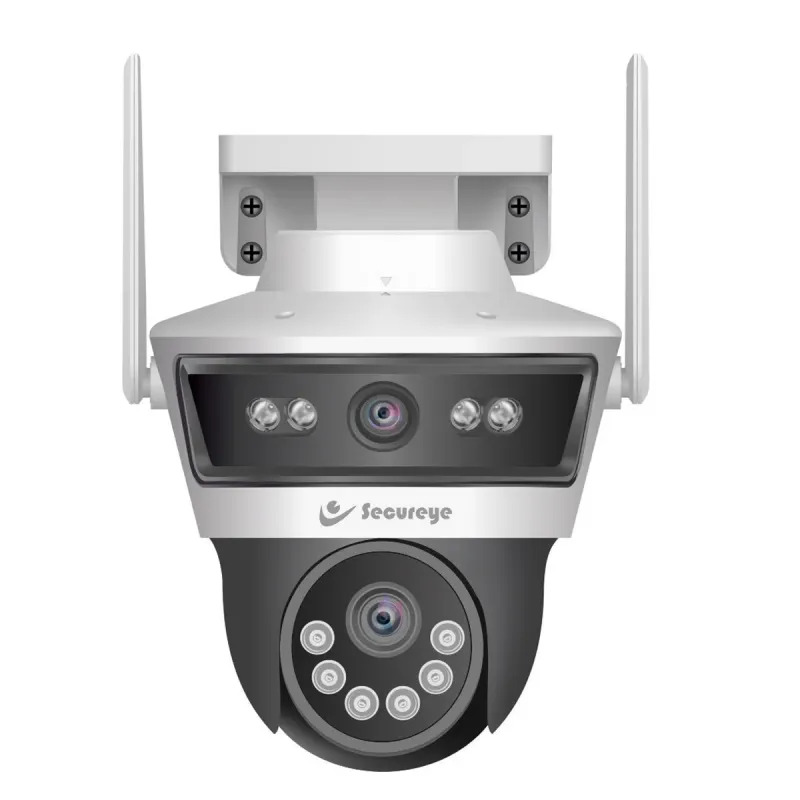
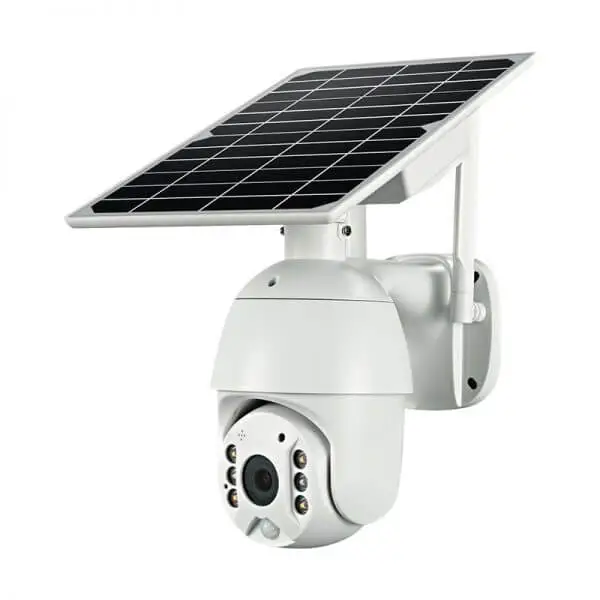
PTZ cameras: Allow operators to pan, tilt and zoom where supported.
IP cameras: Transmit video over a network and can support advanced features depending on the model.
Analog cameras: Work with compatible DVR recording systems.
Your choice should depend on the environment, required image quality, viewing distance and security objectives.
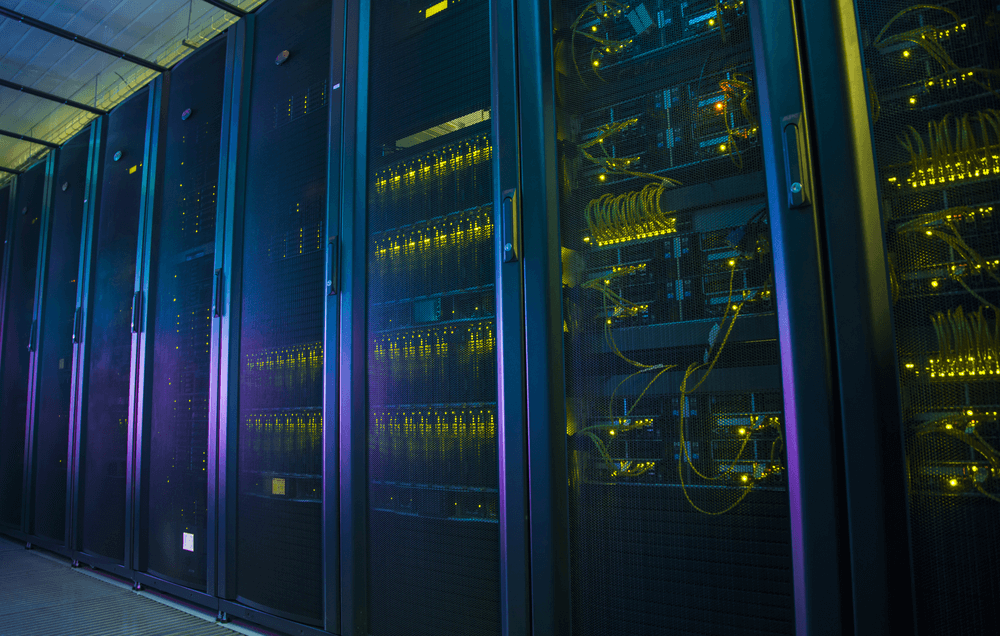
A CCTV system needs a suitable recording solution if you want to store and review footage.
A DVR is commonly used with compatible analog CCTV cameras, while an NVR is generally used with compatible IP camera systems.
The recorder should support the number of cameras you intend to install and the required recording resolution.
How long do you want to keep your CCTV recordings?
Storage requirements depend on the number of cameras, video resolution, recording settings, compression technology and daily recording activity.
A business that needs several weeks of recorded footage may require more storage than a small home installation.
It is important to discuss your recording requirements before choosing a recorder and hard drive.
Installation costs can also depend on the distance between cameras and recording equipment.
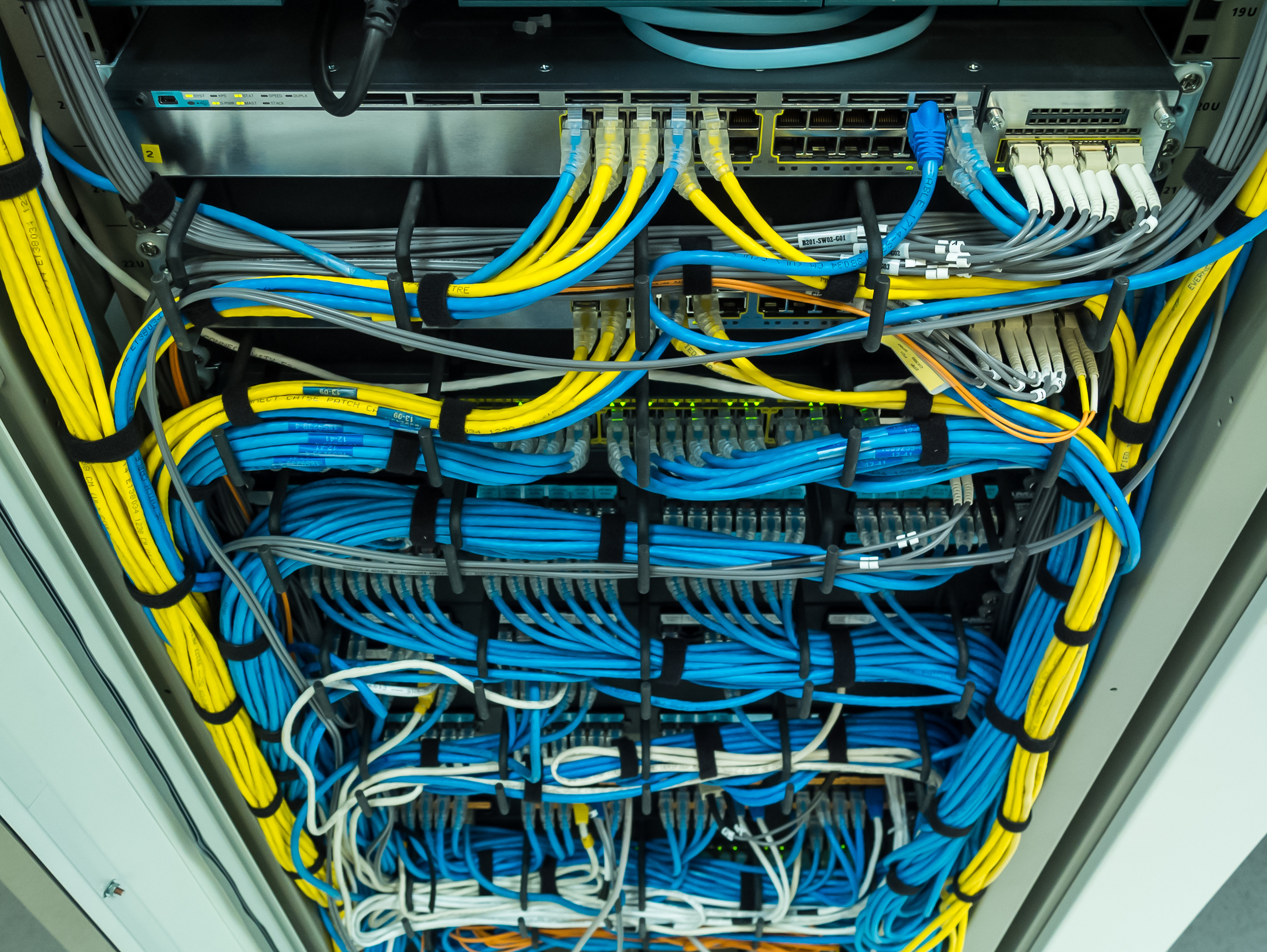
Some installations require additional network cables, power cables, conduits, connectors, trunking and mounting accessories.
Large buildings and properties with complex layouts may require more installation materials and labour.
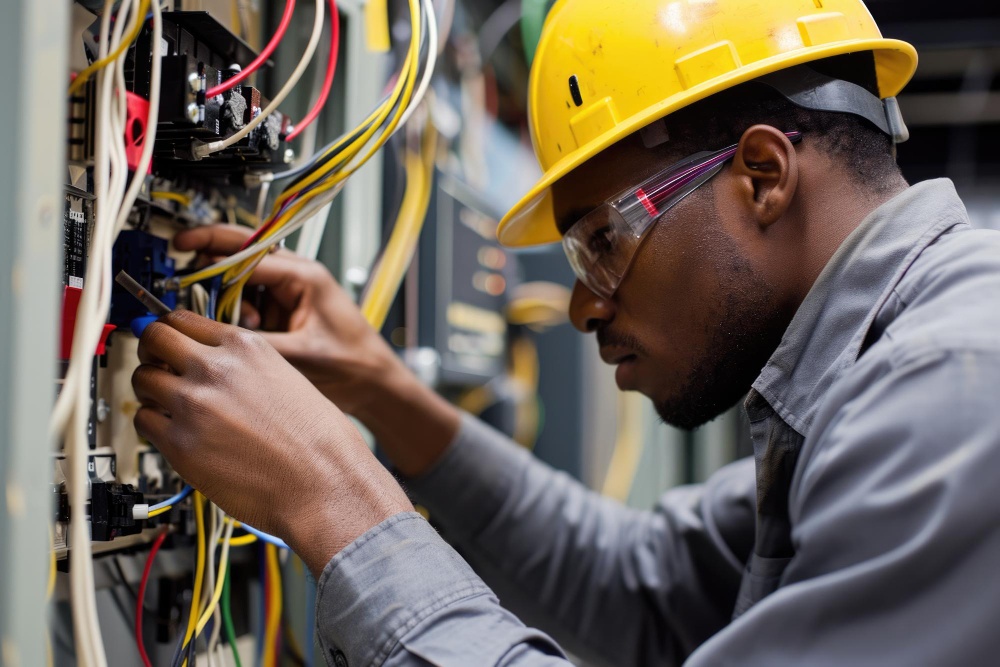
Installing CCTV cameras involves more than mounting devices on walls.
A professional installation may include:
Assessing the property.
Selecting camera positions.
Installing and mounting cameras.
Running and securing cables.
Configuring recording equipment.
Setting up remote viewing where supported.
Testing camera coverage.
Showing the customer how to use the system.
The complexity of the building and installation environment can influence the final quotation.
The right number of cameras depends on the size and layout of your property.
Here are some general examples.
A residential CCTV system may focus on:
Main entrance.
Back entrance.
Driveway or parking area.
Perimeter and compound.
Important indoor areas.
The objective is to monitor vulnerable entry points and important areas around the home.
Retail businesses may need cameras covering:
Main entrance and exit.
Cashier and payment areas.
Customer service sections.
Shelves and stock areas.
Storage rooms.
This can help business owners review incidents and monitor important operational areas.
Offices may require surveillance around:
Reception areas.
Building entrances.
Corridors.
Parking facilities.
Restricted sections.
Camera placement should respect employee and visitor privacy.
Warehouses and industrial premises often have larger spaces and more complex security requirements.
Cameras may be needed around:
Loading and unloading areas.
Storage sections.
Main gates.
Perimeter boundaries.
Equipment and inventory areas.
A site assessment can help determine the appropriate camera quantity and positioning.
One important decision when purchasing CCTV cameras is whether to choose an analog or IP-based system.
Both technologies can provide effective surveillance when properly selected and installed.
Analog CCTV cameras transmit video through compatible cabling to a DVR.
They can be suitable for customers looking for a conventional surveillance system with compatible recording equipment.
IP cameras transmit video over a network and connect to compatible NVRs or other supported recording solutions.
Depending on the model, IP cameras can offer features such as higher image resolutions, remote access, intelligent analytics and flexible network integration.
The right option depends on your budget, existing infrastructure, required image quality, future expansion plans and security requirements.
For a new installation, it is worth comparing both options before making a purchase.
Do not choose CCTV cameras based on price alone. The features available can make a significant difference to your surveillance experience.
Consider the following:
Night Vision: Helps cameras capture footage in low-light conditions, depending on the camera technology.
High Resolution: Provides clearer images and more detail when reviewing recordings.
Motion Detection: Can help identify movement and trigger supported recording or notification functions.
Remote Viewing: Allows authorized users to view camera feeds remotely through compatible applications and network configurations.
Weather Protection: Outdoor cameras should have suitable environmental protection ratings for their installation locations.
Intelligent Video Analytics: Selected cameras support features such as human or vehicle detection, helping reduce irrelevant alerts.
Storage and Recording: Check how much footage the system can retain and how recordings can be retrieved.
A poorly planned CCTV system may leave important security areas uncovered, even if you purchase expensive cameras.
Avoid these common mistakes:
Installing too few cameras: Important entrances, parking areas or blind spots may remain unmonitored.
Choosing cameras without considering lighting: Poor lighting can affect image quality, especially at night.
Ignoring storage requirements: Your recorder may not retain footage for as long as you expect.
Poor camera positioning: Cameras should be positioned to capture useful views of important areas.
Ignoring cable protection: Exposed or poorly secured cables can create installation and maintenance problems.
Buying incompatible equipment: Cameras, recorders, network equipment and accessories should work together.
Skipping professional configuration: Incorrect settings can affect recording, remote viewing and system performance.
Buying CCTV cameras is only one part of securing your property. You also need suitable equipment, proper installation and technical support.
GD Merchants Limited is a Kenyan security and technology solutions company providing electronic security products and installation services for homes, businesses and institutions.
We help customers explore CCTV surveillance solutions based on their premises, security requirements and budgets.
Our security solutions include:
ZKTeco CCTV cameras and accessories.
IP-based surveillance systems.
Analog CCTV systems.
Network video recorders and digital video recorders.
Security monitoring solutions.
Biometric access control systems.
RFID access control.
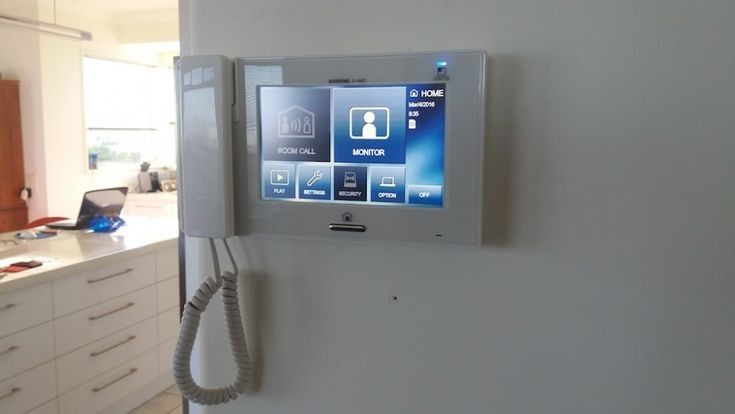
Video intercom systems.
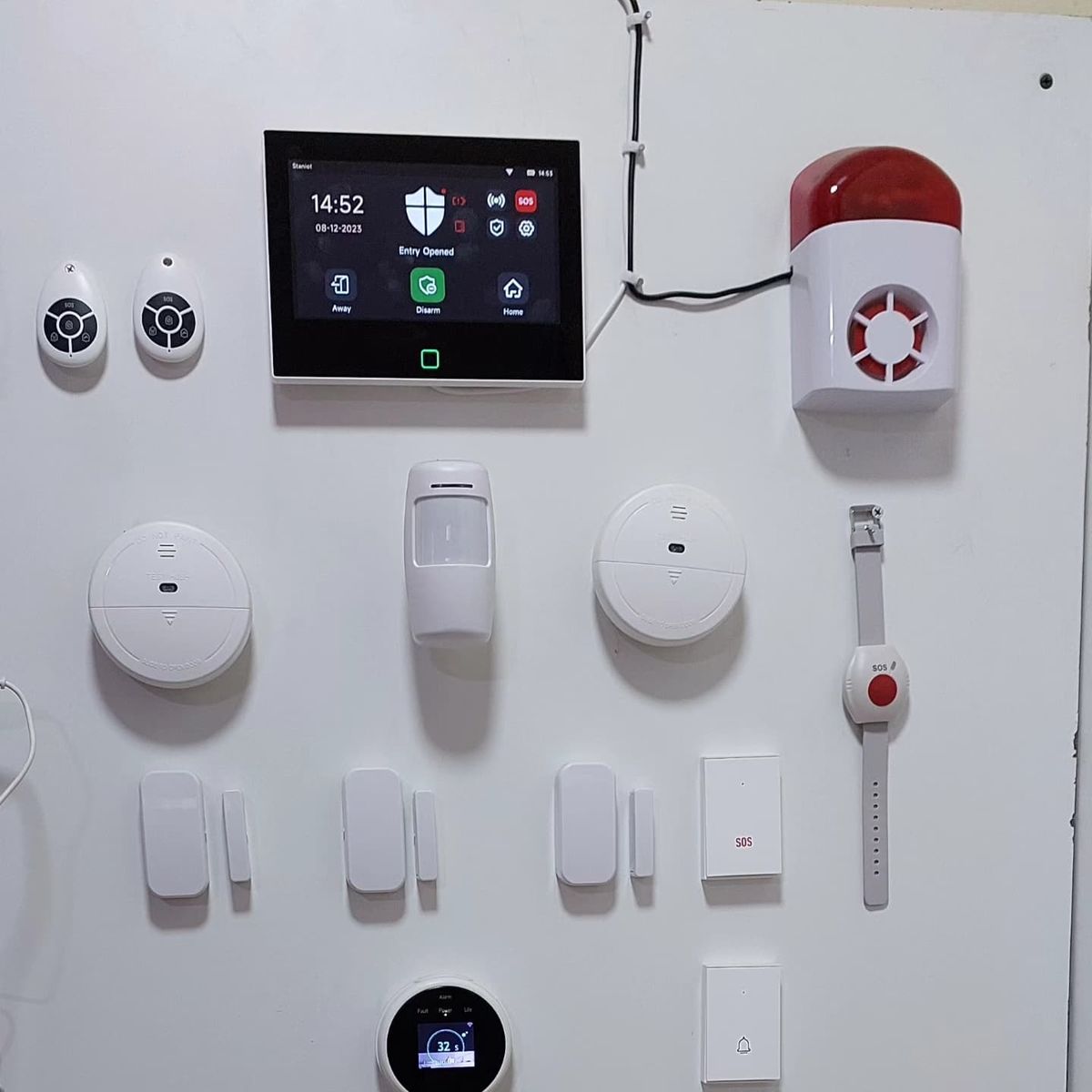
Alarm systems.
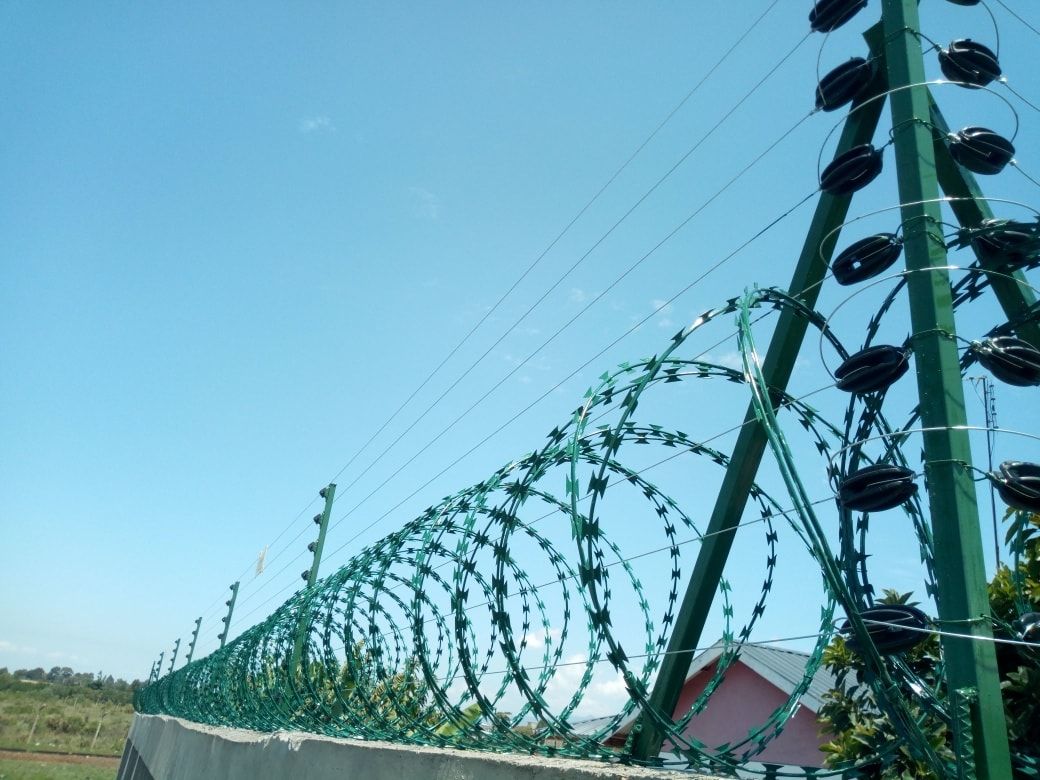
Electric fencing and perimeter security.
Whether you need CCTV cameras for your home, shop, office, school, warehouse or commercial property, GD Merchants Limited can help you identify a suitable surveillance solution.
Before requesting a quotation, it helps to have a clear understanding of your property and security needs.
You can prepare by identifying:
The location of the property.
The number of entrances and important areas.
Whether you need indoor or outdoor cameras.
Whether you prefer analog or IP cameras.
How long you want to retain recordings.
Whether you require remote viewing.
Your preferred installation timeline and budget.
A site assessment can help determine camera placement, equipment requirements, cabling needs and the overall installation scope.
This makes it easier to receive a quotation that reflects your actual security requirements instead of paying for equipment you may not need.
Are you tired of worrying about what happens around your property when you are away?
A properly designed CCTV system can help you monitor important areas, review recorded footage and improve visibility around your premises.
Do not wait until a security incident exposes the weaknesses in your current security arrangements.
Contact GD Merchants Limited for CCTV cameras, security products, installation and technical support in Nairobi and across Kenya.
Call/WhatsApp: +254 798 404 398
Website: https://gdmerchants.co.ke/
Email: info@gdmerchants.co.ke
Location: Nairobi, Kenya
GD Merchants Limited | Smarter Security. Better Tomorrow.









 November 06, 2026 - BY Tman Churchill