
Imagine managing an office, apartment building, school or commercial property where dozens or even hundreds of people enter and leave every day.
How do you ensure that only authorized individuals gain access? What happens when an employee loses an access card, shares it with another person or leaves the company without returning their credentials?
These are common challenges for businesses and property managers in Kenya.
Traditional keys and manual security registers may no longer provide the level of access management required by modern organizations.
Fortunately, electronic access control systems offer smarter ways to manage entry. Two popular technologies are RFID access control and biometric access control.
But which one should you choose for your business?
In this guide, GD Merchants Limited explains how both technologies work, their differences and what to consider before investing in an access control system.
RFID stands for Radio Frequency Identification. It is a technology that uses radio waves to identify compatible cards, tags or key fobs.
With an RFID access control system, authorized users present their registered card or tag to a compatible reader to request access.
If the credentials are valid and have the required permissions, the system can activate the connected door access hardware.
RFID access control offers several advantages:
Convenient entry: Users can access authorized areas by presenting their cards or tags.
Easy user management: Administrators can register, update or deactivate credentials.
Suitable for multiple users: Useful for offices, apartments, schools and commercial facilities.
Flexible access management: Compatible systems can assign different permissions to different users.
Integration possibilities: RFID readers can work with compatible controllers, electronic locks and access management software.
Although RFID systems are convenient, physical cards and tags can be lost, forgotten, borrowed or shared.
If a card is lost, administrators may need to deactivate it and issue a replacement.
For businesses that require stronger identity verification, this is an important consideration.
Biometric access control uses unique biological characteristics to verify an individual's identity before granting access.
Common biometric technologies include fingerprint recognition and facial recognition.
Instead of relying only on a physical card, users can authenticate themselves using a supported biometric feature.
Identity-based verification: Helps associate access credentials with registered individuals.
Reduced reliance on physical cards: Users may not need to carry an access card when using biometric authentication.
Improved access management: Administrators can manage registered users and permissions.
Access records: Compatible systems can record entry events for administrative review.
Convenient authentication: Fingerprint and facial recognition can make daily entry easier.
Biometric access control also has considerations.
Fingerprint recognition may be affected by damaged, dirty or worn fingerprints, depending on the device. Facial recognition performance can depend on lighting, positioning and device capabilities.
Biometric systems also require responsible handling of personal information and compliance with applicable Kenyan data protection requirements.
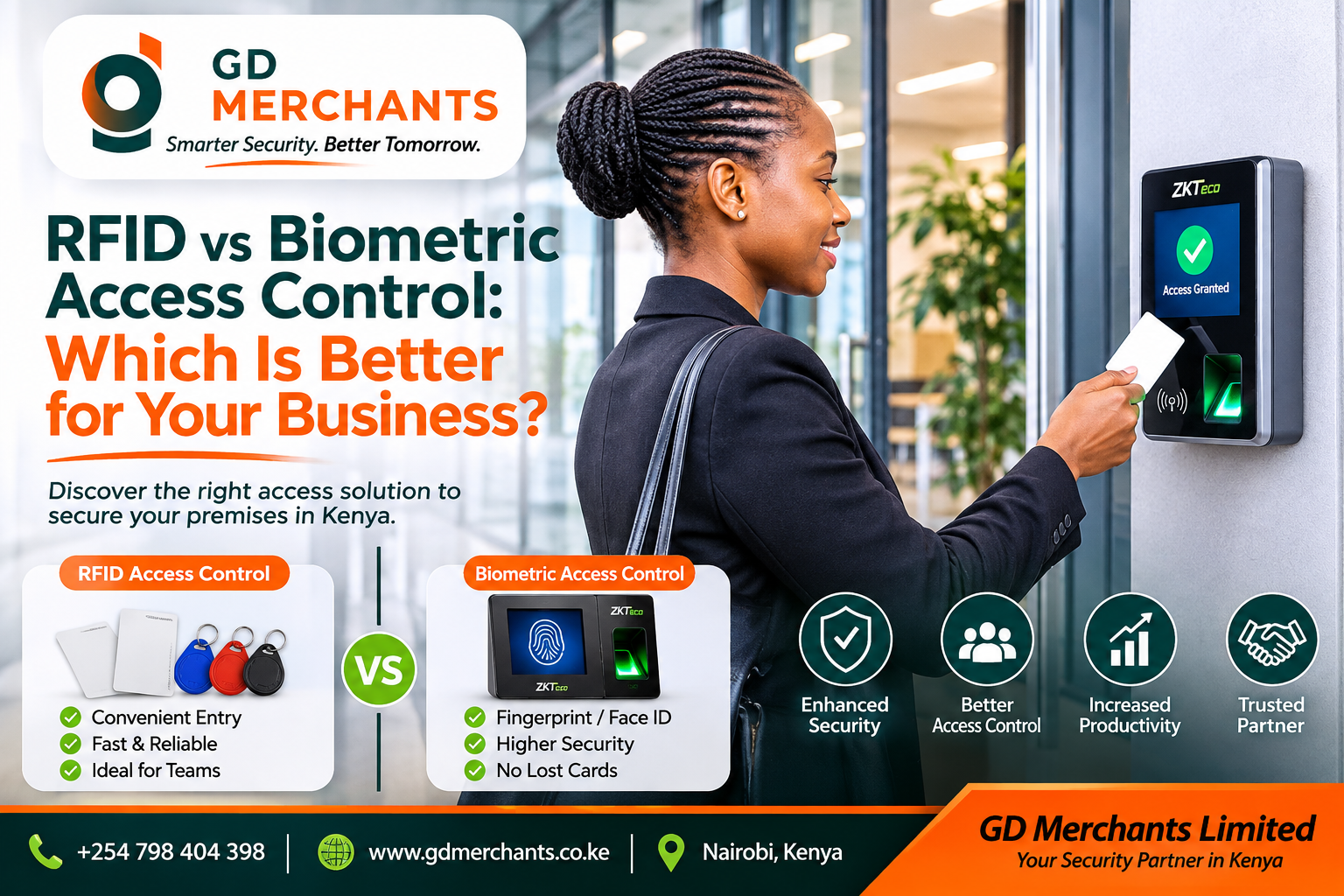
Both technologies help control entry, but they authenticate users differently.
| Feature | RFID Access Control | Biometric Access Control |
|---|---|---|
| Identification | Cards, tags or key fobs | Fingerprint or facial recognition |
| Physical credential | Usually required | Not always required |
| Lost credential risk | Cards or tags can be lost | Less dependence on physical cards |
| User management | Register and manage credentials | Register and manage biometric users |
| Convenience | Quick card-based access | Convenient identity-based access |
| Best suited for | Offices, apartments and shared facilities | Offices and restricted access areas |
The best choice depends on your security requirements, number of users, budget and preferred authentication method.
There is no single solution that is best for every business.
Your choice should depend on how your premises operate and the level of access control you require.
For a small office, RFID access control can provide a convenient way to manage employee entry.
If you need stronger identity verification or want to reduce dependence on shared access cards, biometric access control may be more suitable.
Schools often have different access requirements for administrators, teachers, support staff and visitors.
RFID or biometric access control can help manage entry to selected buildings and restricted areas.
Apartment managers may need to manage access for residents, employees and authorized visitors.
RFID access cards and compatible intercom systems can provide convenient entry management.
Warehouses and industrial properties may contain valuable stock, equipment and restricted operational areas.
Biometric access control can help manage entry to selected locations, while RFID systems can support convenient access for larger groups of authorized users.
Hotels and commercial facilities may benefit from different access technologies depending on their doors, users and operational requirements.
The right solution should be selected according to the building's access management needs.
Yes. You do not necessarily have to choose only one technology.
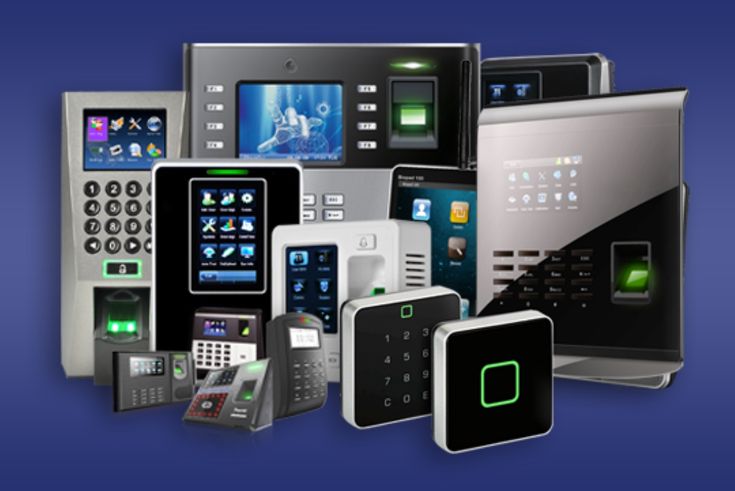
Some ZKTeco access control devices support multiple authentication methods, including RFID cards, fingerprints, facial recognition and PIN codes, depending on the model.
A combined solution can provide flexibility for different users and security requirements.
For example, an organization may use biometric authentication for restricted departments and RFID cards for other authorized entry points.
Compatible access control software and controllers can also help administrators manage multiple doors and users from a central system.
Before investing in RFID or biometric access control in Kenya, consider the following:
Number of users: How many employees, residents or visitors require access?
Number of doors: How many entrances need electronic access control?
Security requirements: Do you need basic card access or stronger identity verification?
Authentication methods: Do you prefer RFID, fingerprints, facial recognition or a combination?
System compatibility: Will the readers work with your controllers, locks and management software?
Installation: Consider wiring, power supply, door hardware and network requirements.
Data protection: Ensure biometric information is handled securely and in accordance with applicable Kenyan laws.
Technical support: Choose a supplier who can assist with installation, configuration and maintenance.
Choosing the right access control equipment is only the beginning. Proper installation, configuration and technical support are equally important.
GD Merchants Limited provides electronic security products and solutions for homes, offices, commercial buildings and institutions in Kenya.
Our security solutions include:
ZKTeco RFID access control readers.
Fingerprint access control terminals.
Facial recognition devices.
Access control panels and controllers.
Smart door locks.
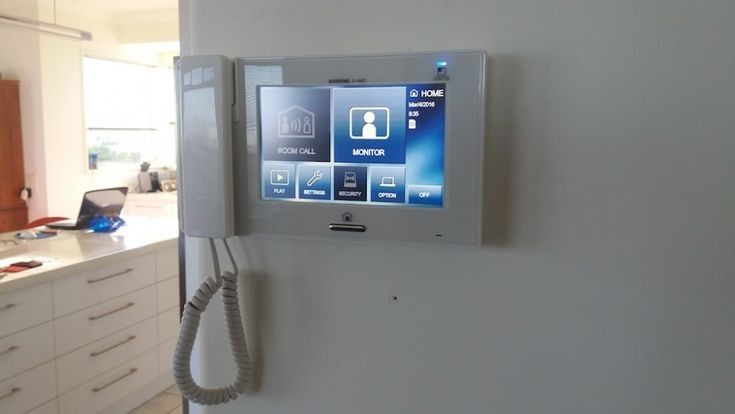
Video intercom systems.
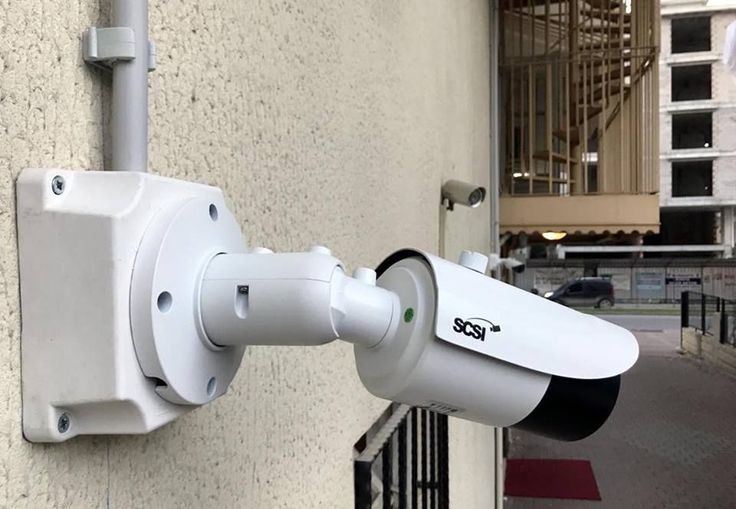
CCTV surveillance cameras.
Electronic door access accessories.
Whether you need an RFID access control system for your office, biometric security for a commercial building or an integrated entry management solution, we can help you explore suitable options.
Still unsure whether RFID or biometric access control is right for your premises?
Let GD Merchants Limited help you identify a suitable solution based on your building, number of users and security requirements.
We supply and install modern security products, including ZKTeco access control solutions, in Nairobi and across Kenya.
Contact GD Merchants Limited today.
Call/WhatsApp: +254 798 404 398
Website: https://gdmerchants.co.ke/
Email: info@gdmerchants.co.ke
GD Merchants Limited | Smarter Security. Better Tomorrow.













 November 06, 2026 - BY Tman Churchill