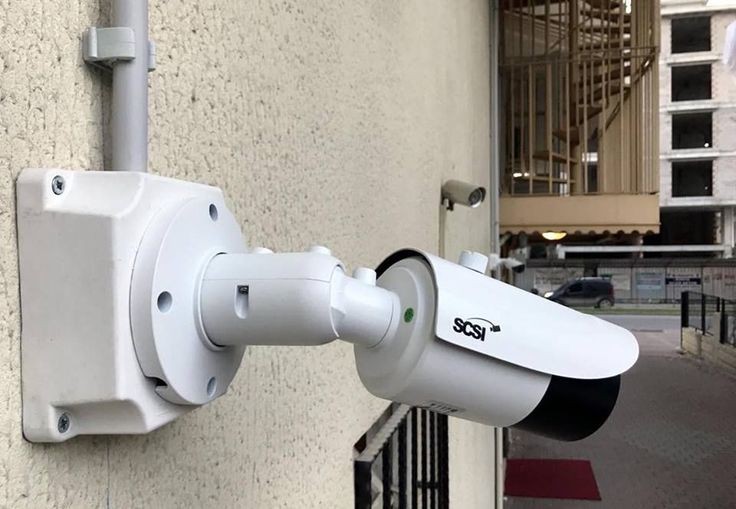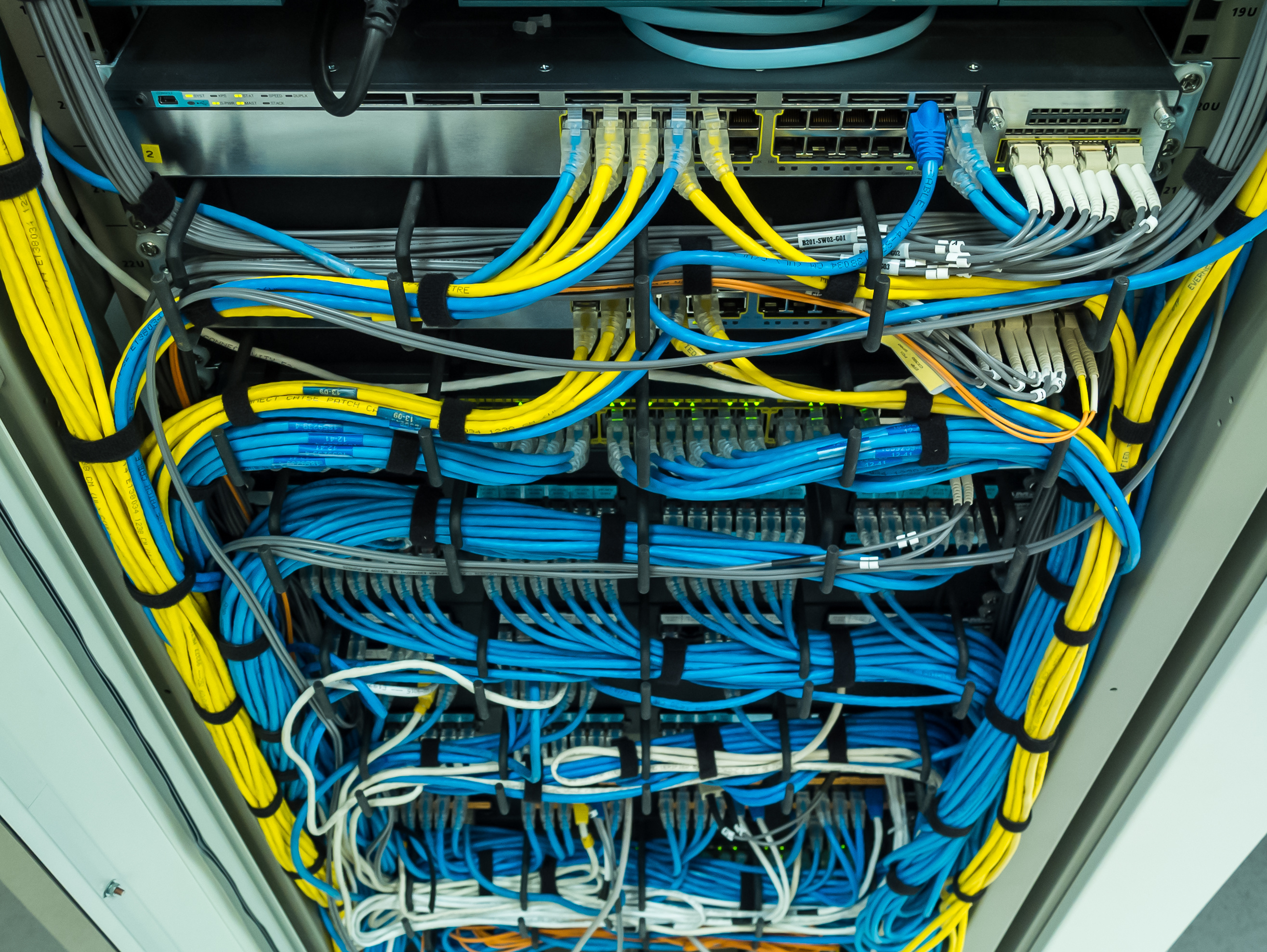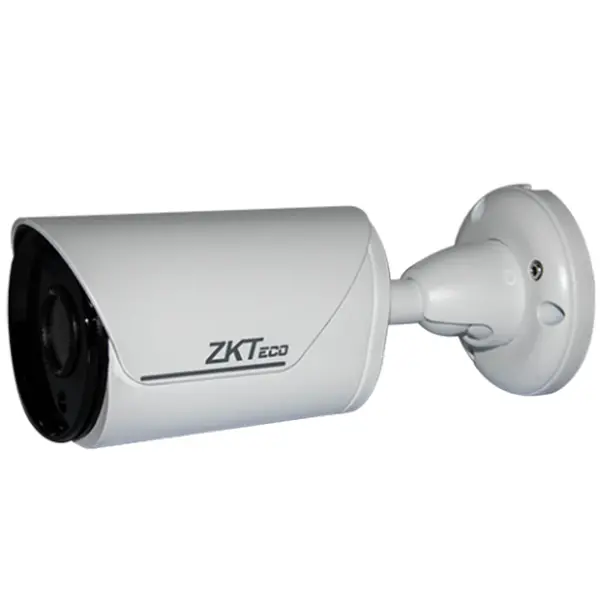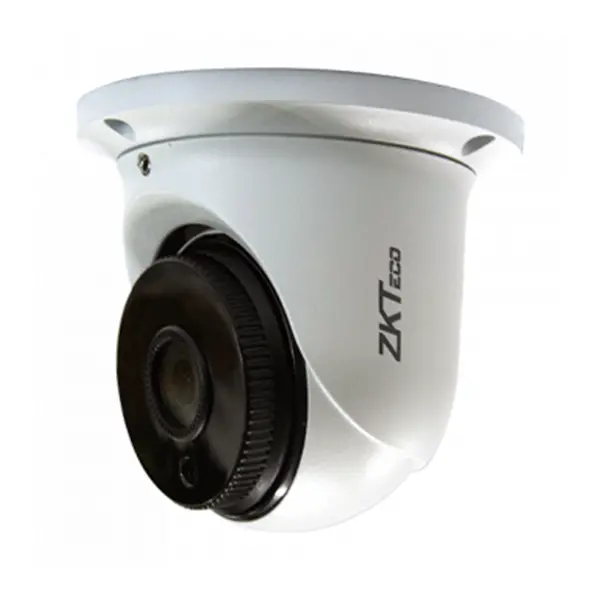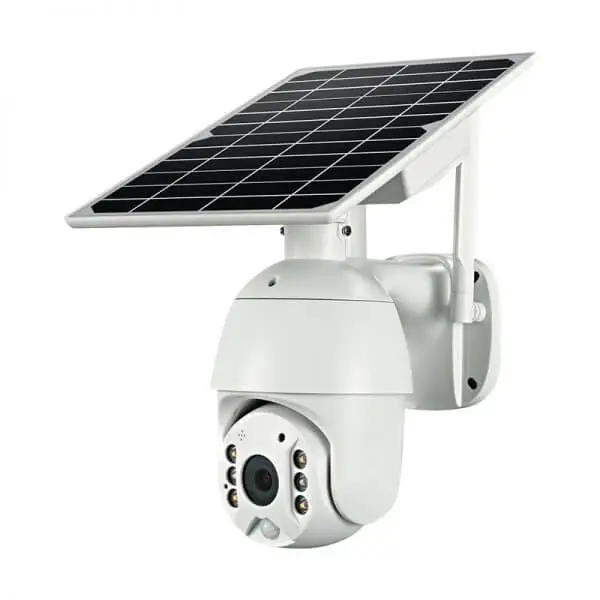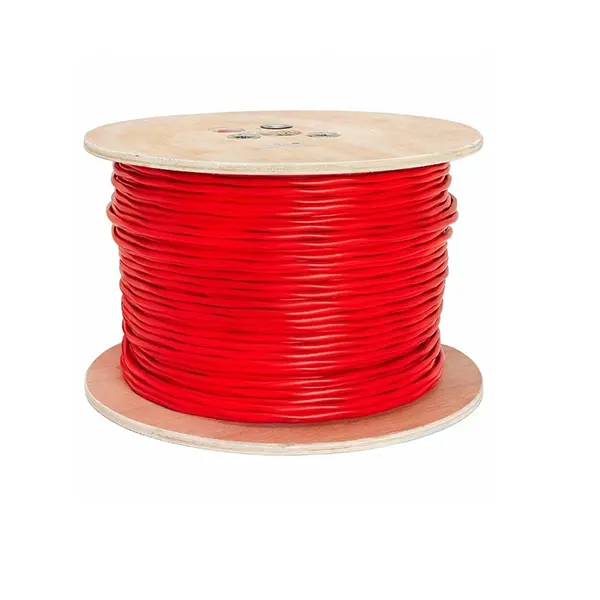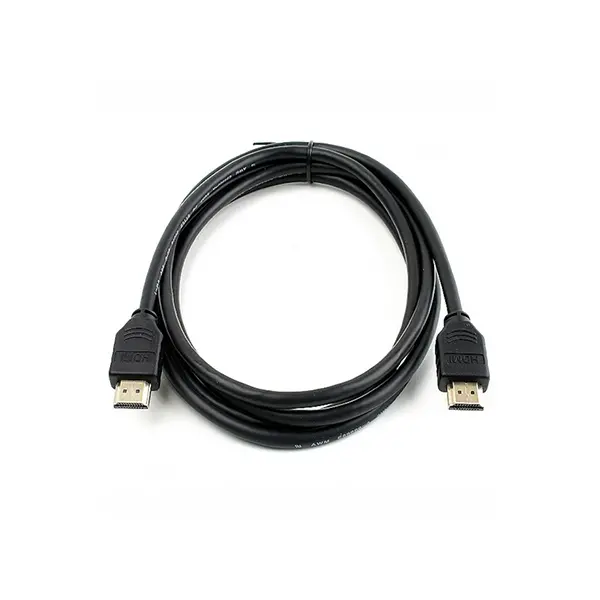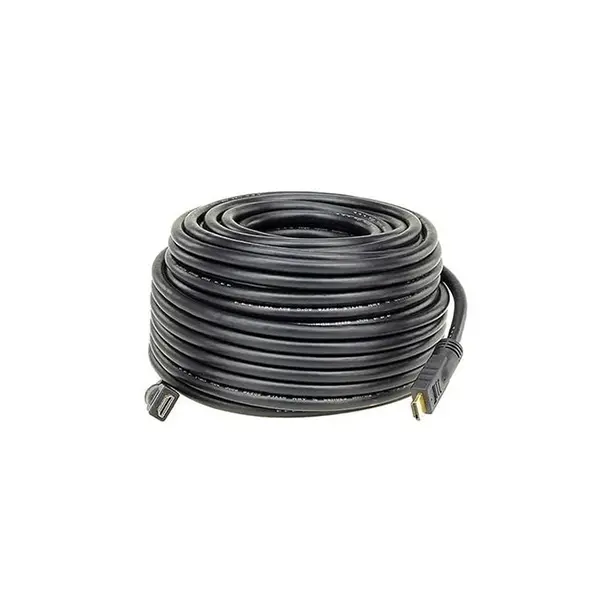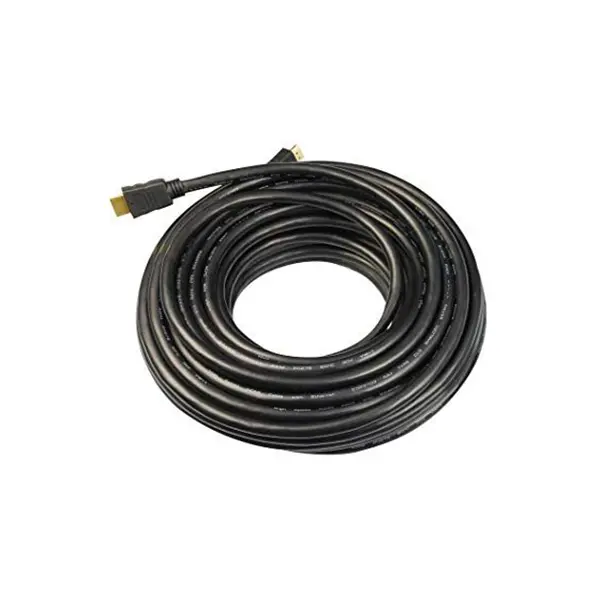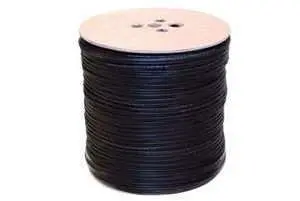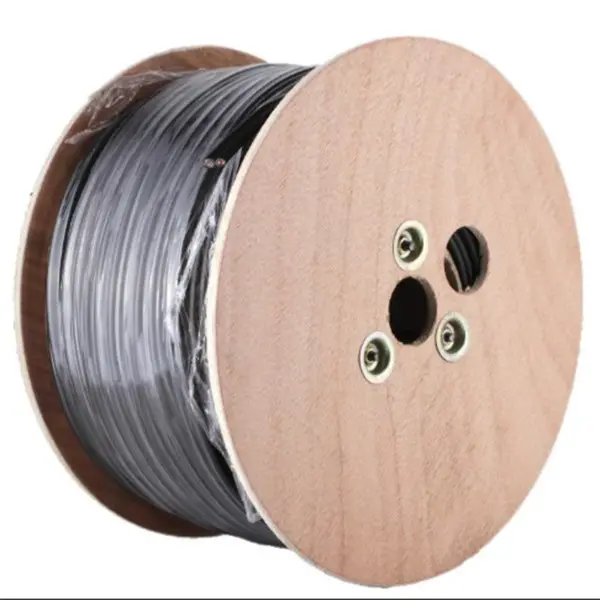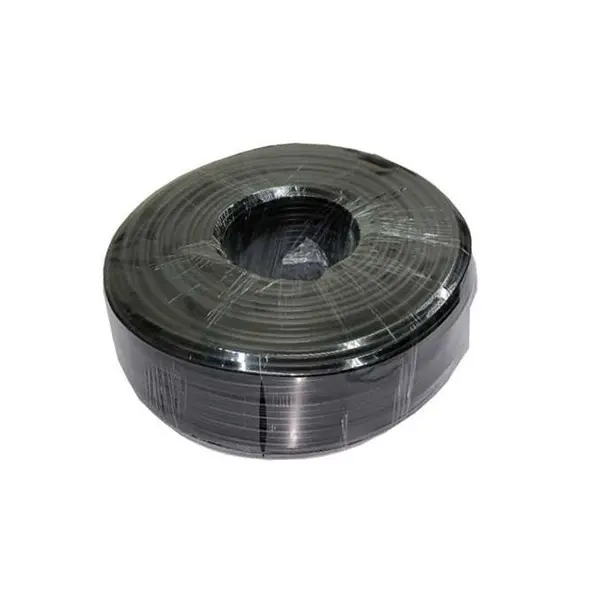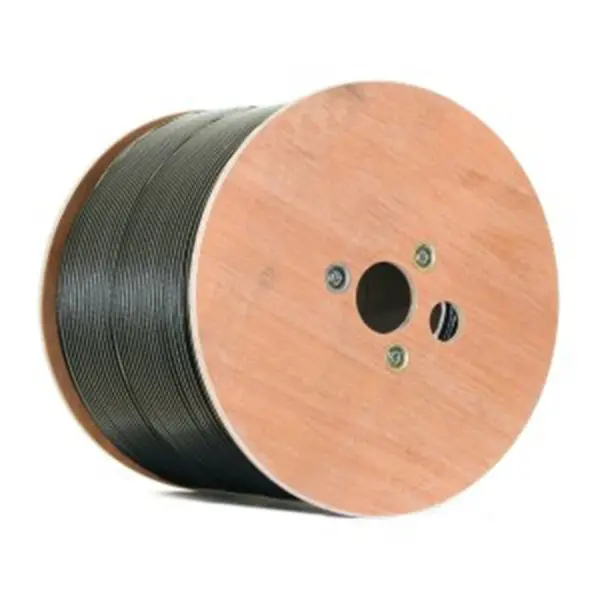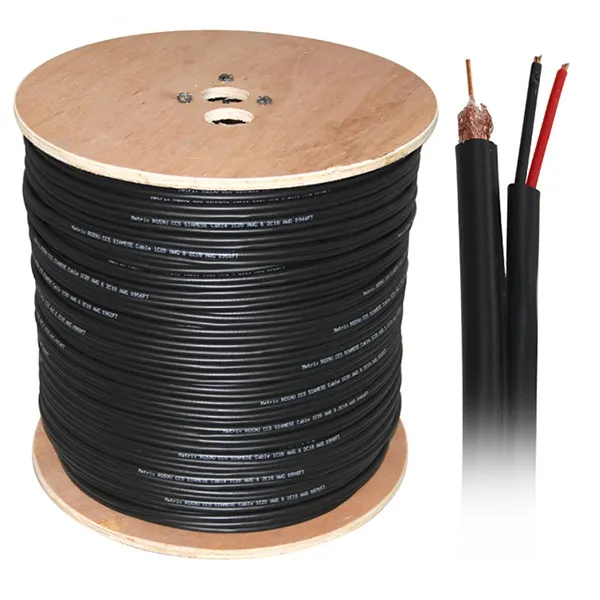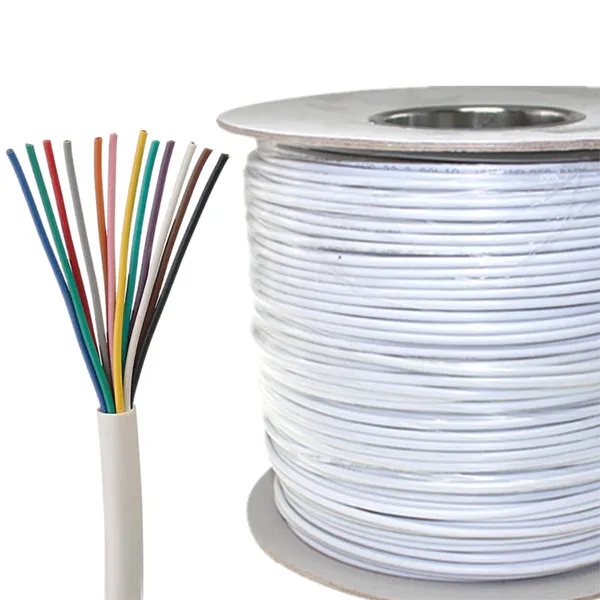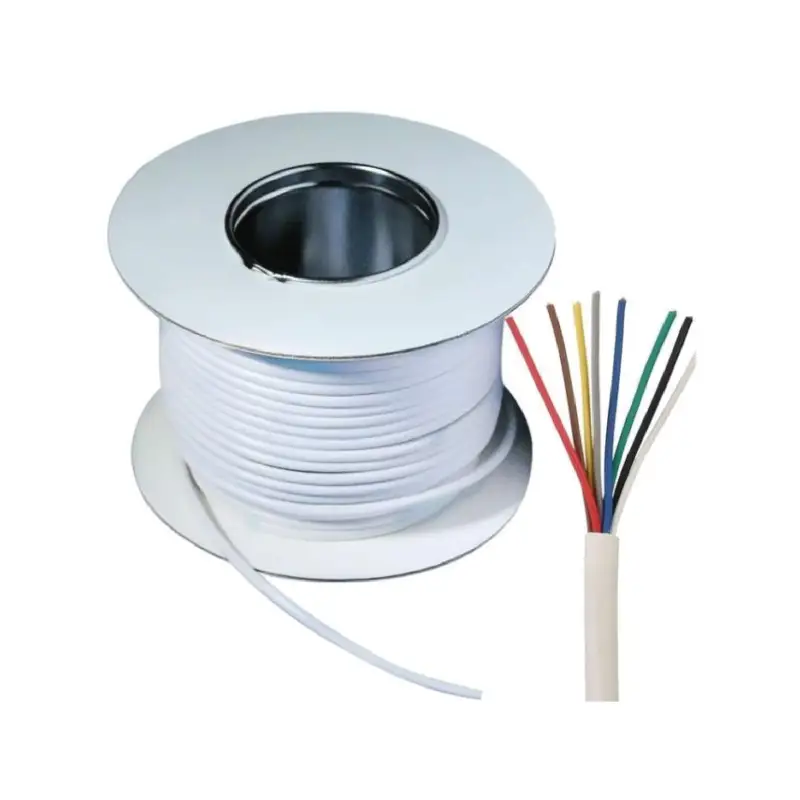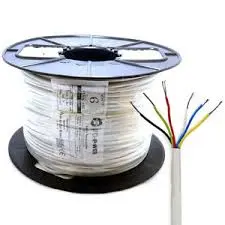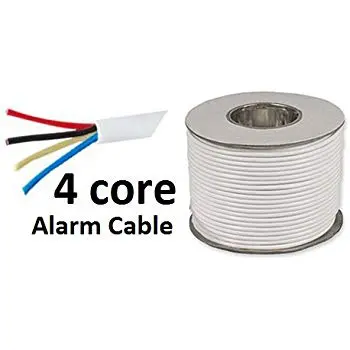
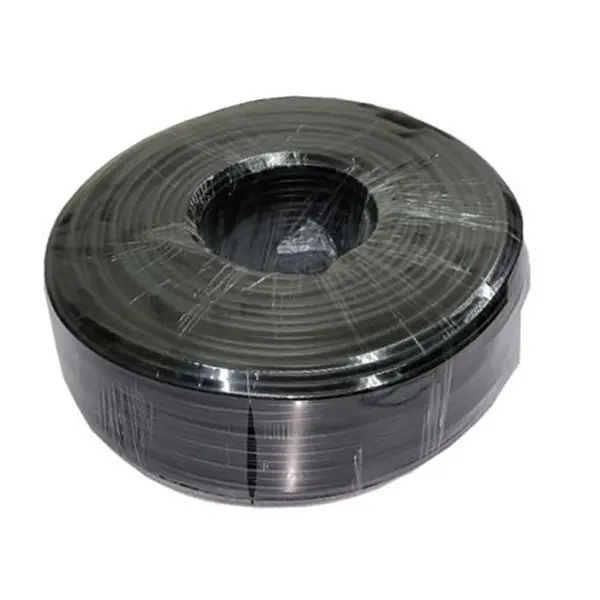
A CCTV coaxial cable with power, also known as a siamese cable, is a specialized cable designed for CCTV (Closed-Circuit Television) systems. It combines both video and power transmission within a single cable, simplifying the installation process and reducing cable clutter. Here are the features of a typical CCTV coaxial cable with power: Coaxial Cable: The main component of the cable is a coaxial cable, which is used to transmit video signals from the CCTV cameras to the recording or monitoring equipment. Coaxial cables are known for their excellent signal quality and low interference. Video Transmission: The coaxial cable within the siamese cable is specifically designed for transmitting analog or digital video signals. It ensures high-quality video transmission over long distances without significant loss of signal strength or quality. Power Conductors: Alongside the coaxial cable, the siamese cable includes power conductors, typically two wires (positive and negative) for power transmission. These wires provide electrical power to the CCTV cameras, eliminating the need for separate power cables. Power Compatibility: The power conductors in the siamese cable are designed to support the voltage and current requirements of CCTV cameras. They are typically rated to carry low voltage DC (Direct Current) power, such as 12V or 24V, which is commonly used in CCTV systems. Connectors: The CCTV coaxial cable with power often comes with pre-attached connectors for easy installation. The video end usually features BNC connectors for connecting to the camera and the recording/monitoring equipment. The power end may have DC connectors, such as barrel connectors or screw terminals, for powering the cameras. Outer Sheath: The cable is protected by a durable outer sheath, usually made of PVC or another suitable material. The sheath provides physical protection to the cable and helps prevent damage from environmental factors like moisture, UV rays, and abrasion. Length and Gauge: CCTV coaxial cables with power are available in various lengths and gauges. The length can be chosen based on the distance between the cameras and the recording/monitoring equipment, while the gauge ensures sufficient power delivery without excessive voltage drops.
Key Features